
Blog
The immigration medical exam (Form I-693) is a required step for most green card applicants. It includes a physical exam, tuberculosis screening, blood and urine tests for communicable diseases, a vaccination review, and a mental health assessment, all completed by a USCIS-designated civil surgeon.

You have your green card paperwork moving forward, and now there is one more step standing between you and your application: the immigration medical exam. For many applicants, the uncertainty around what actually happens during this exam can feel more stressful than the exam itself. An immigration medical exam, documented on Form I-693, screens for specific health-related conditions that could affect your admissibility to the United States. The immigration medical exam providers at Rock Medical PC in Jamaica, Queens walk you through every step so you know exactly what to expect and can focus on moving your case forward.

What Does the Physical Exam Include?

The immigration medical exam is not a complete physical examination. Its purpose is to screen for certain medical conditions relevant to U.S. immigration law. That said, the exam does cover a thorough review of your body’s major systems.

The physical examination includes, at a minimum, examination of the eyes, ears, nose and throat, extremities, heart, lungs, abdomen, lymph nodes, and skin. To evaluate your mobility and coordination, the civil surgeon may ask you to do basic physical tasks in addition to using a stethoscope to listen to your heart and lungs. The doctor will also measure your vital signs, including blood pressure, heart rate, height, and weight.

Before the physical portion begins, the medical examination will include a medical history review. The civil surgeon will ask about past surgeries, ongoing treatments, current medications, and any significant health conditions. If you have previously tested positive for tuberculosis or been treated for other notable conditions, bring documentation of that treatment to your appointment.

Which Lab Tests and Disease Screenings Are Required?

One of the primary goals of the immigration medical exam is to screen for communicable diseases of public health significance. Civil surgeons in the United States follow the CDC’s Tuberculosis Technical Instructions, which currently require them to conduct a test called the interferon gamma release assay (IGRA) on all green card applicants aged 2 and older. If your IGRA result comes back positive, a chest X-ray must be performed.

For applicants who are 15 years of age or older, syphilis blood tests and gonorrhea urine tests are required. Applicants younger than 15 may also need testing if they have symptoms, a history of infection, or other risk factors.

At Rock Medical PC in Jamaica, Queens, these lab tests are performed on-site so you can complete your screening in a single visit rather than coordinating between multiple locations. The civil surgeon also looks for signs of other communicable diseases that could affect your admissibility.  HIV infection is no longer classified as a communicable disease of public health significance for immigration purposes and, by itself, does not make an applicant inadmissible on health‑related grounds.

The exam also includes a mental health and substance use assessment. The civil surgeon will evaluate your mental health to determine whether any mental or psychiatric conditions could result in harmful behavior.

Simply having a diagnosis does not automatically make you inadmissible. The key factor is whether the condition is associated with harmful behavior that could pose a danger to yourself or others.

What Vaccinations Are Required for the Immigration Medical Exam?

Vaccination compliance is a major component of the immigration medical exam. Under the immigration laws of the United States, an applicant who seeks to adjust status to that of a lawful permanent resident is required to receive vaccinations to prevent specific diseases. The required vaccines for adult applicants typically include:

  • Measles, mumps, and rubella (MMR)
  • Varicella (chickenpox)
  • Tetanus, diphtheria, and pertussis (Tdap)
  • Polio
  • Hepatitis B
  • Influenza (during flu season, generally October through March)

The civil surgeon will review your vaccination records and determine which vaccines are needed based on your age, medical history, and existing documentation. Under current USCIS policy, effective as of January 22, 2025, applicants for adjustment of status are no longer required to provide documentation of having received the COVID-19 vaccination. If you cannot locate your vaccination records, the civil surgeon may recommend blood tests called titer tests to check for existing immunity before administering any additional vaccines.

At Rock Medical PC, on-site lab testing for MMR and varicella immunity is included as part of the exam. If the results show you lack immunity, vaccinations can be administered at the same visit so your application stays on track.

How to Prepare for Your Immigration Medical Exam

Preparation can make the difference between a smooth, single-visit experience and an exam that requires follow-up appointments. Bring a valid government-issued photo ID such as your passport or driver’s license, along with any vaccination records you have, even if they are from another country. If your records are not in English, the report will need a certified translation.

You should also bring a list of current medications, documentation of any previous tuberculosis tests or treatments, and records related to any chronic health conditions. Under current policy effective December 2, 2024, USCIS mandates that Form I-693 be submitted at the same time as Form I-485 for applicants required to submit Form I-693. This means completing your medical exam before filing your green card application is essential to avoid potential rejection of your paperwork.

Once the exam is complete, the civil surgeon will provide your Form I-693 in a sealed envelope. USCIS will return the form if it is not in a sealed envelope or if the envelope has been opened or altered, and you, not the civil surgeon, must submit your Form I-693 to USCIS.

Schedule Your Immigration Medical Exam at Rock Medical PC

If you are preparing your green card application, completing your immigration medical exam early helps prevent processing delays. Rock Medical PC in Jamaica, Queens offers comprehensive I-693 exams with on-site lab testing, vaccinations, and same-day form completion by a USCIS-authorized certified civil surgeon. Contact us today to schedule your appointment and keep your immigration process moving forward.

This information is for educational purposes and does not replace professional medical or legal advice. Consult with a qualified healthcare provider and your immigration attorney about your individual needs.

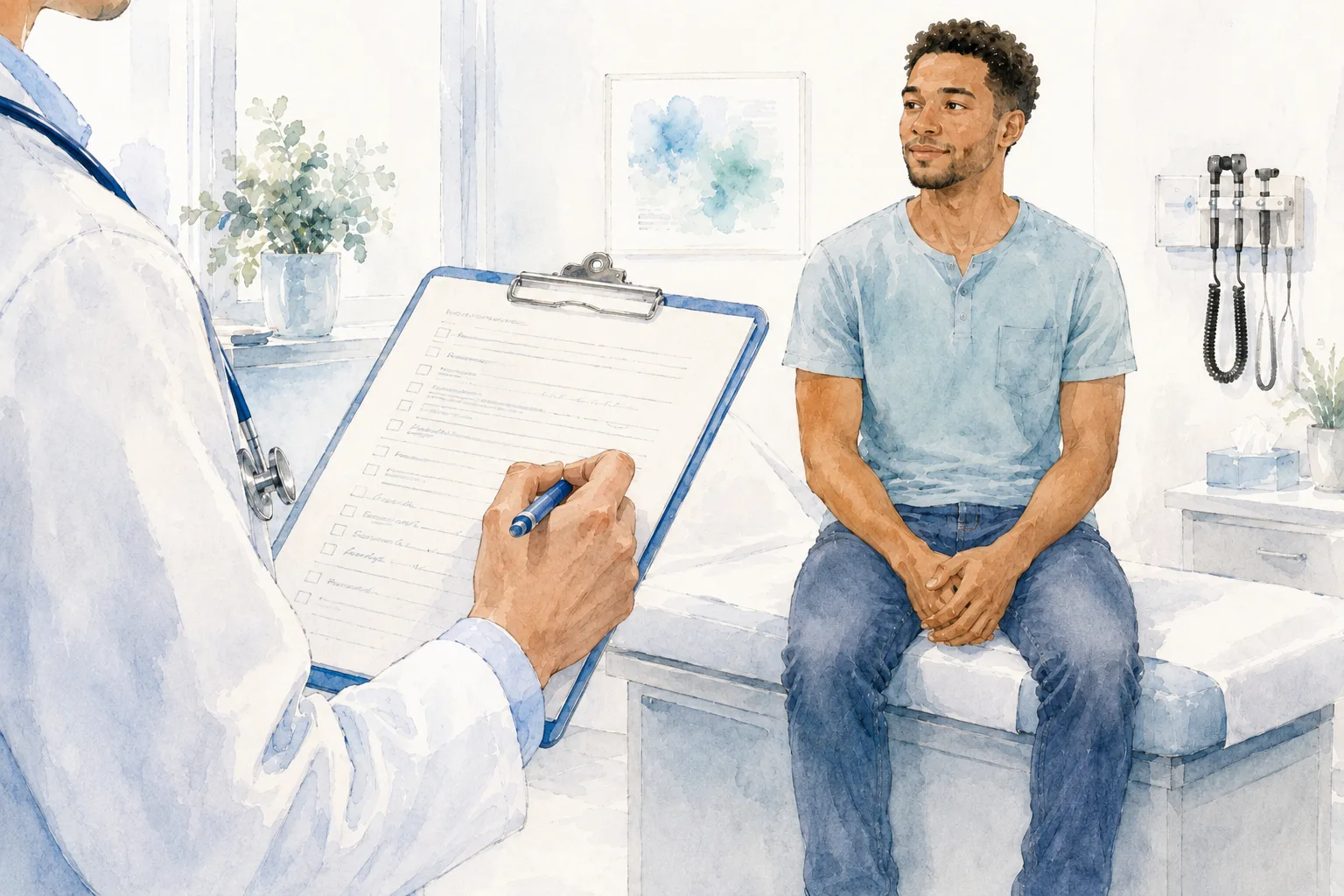
a man and a medical examiner in an exam room
What Do They Check in an Immigration Medical Exam?
The immigration medical exam (Form I-693) is a required step for most green card applicants. It includes a physical exam, tuberculosis screening, blood and urine tests for communicable diseases, a vaccination review, and a mental health assessment, all completed by a USCIS-designated civil surgeon.

You have your green card paperwork moving forward, and now there is one more step standing between you and your application: the immigration medical exam. For many applicants, the uncertainty around what actually happens during this exam can feel more stressful than the exam itself. An immigration medical exam, documented on Form I-693, screens for specific health-related conditions that could affect your admissibility to the United States. The immigration medical exam providers at Rock Medical PC in Jamaica, Queens walk you through every step so you know exactly what to expect and can focus on moving your case forward.

What Does the Physical Exam Include?

The immigration medical exam is not a complete physical examination. Its purpose is to screen for certain medical conditions relevant to U.S. immigration law. That said, the exam does cover a thorough review of your body’s major systems.

The physical examination includes, at a minimum, examination of the eyes, ears, nose and throat, extremities, heart, lungs, abdomen, lymph nodes, and skin. To evaluate your mobility and coordination, the civil surgeon may ask you to do basic physical tasks in addition to using a stethoscope to listen to your heart and lungs. The doctor will also measure your vital signs, including blood pressure, heart rate, height, and weight.

Before the physical portion begins, the medical examination will include a medical history review. The civil surgeon will ask about past surgeries, ongoing treatments, current medications, and any significant health conditions. If you have previously tested positive for tuberculosis or been treated for other notable conditions, bring documentation of that treatment to your appointment.

Which Lab Tests and Disease Screenings Are Required?

One of the primary goals of the immigration medical exam is to screen for communicable diseases of public health significance. Civil surgeons in the United States follow the CDC’s Tuberculosis Technical Instructions, which currently require them to conduct a test called the interferon gamma release assay (IGRA) on all green card applicants aged 2 and older. If your IGRA result comes back positive, a chest X-ray must be performed.

For applicants who are 15 years of age or older, syphilis blood tests and gonorrhea urine tests are required. Applicants younger than 15 may also need testing if they have symptoms, a history of infection, or other risk factors.

At Rock Medical PC in Jamaica, Queens, these lab tests are performed on-site so you can complete your screening in a single visit rather than coordinating between multiple locations. The civil surgeon also looks for signs of other communicable diseases that could affect your admissibility.  HIV infection is no longer classified as a communicable disease of public health significance for immigration purposes and, by itself, does not make an applicant inadmissible on health‑related grounds.

The exam also includes a mental health and substance use assessment. The civil surgeon will evaluate your mental health to determine whether any mental or psychiatric conditions could result in harmful behavior.

Simply having a diagnosis does not automatically make you inadmissible. The key factor is whether the condition is associated with harmful behavior that could pose a danger to yourself or others.

What Vaccinations Are Required for the Immigration Medical Exam?

Vaccination compliance is a major component of the immigration medical exam. Under the immigration laws of the United States, an applicant who seeks to adjust status to that of a lawful permanent resident is required to receive vaccinations to prevent specific diseases. The required vaccines for adult applicants typically include:

  • Measles, mumps, and rubella (MMR)
  • Varicella (chickenpox)
  • Tetanus, diphtheria, and pertussis (Tdap)
  • Polio
  • Hepatitis B
  • Influenza (during flu season, generally October through March)

The civil surgeon will review your vaccination records and determine which vaccines are needed based on your age, medical history, and existing documentation. Under current USCIS policy, effective as of January 22, 2025, applicants for adjustment of status are no longer required to provide documentation of having received the COVID-19 vaccination. If you cannot locate your vaccination records, the civil surgeon may recommend blood tests called titer tests to check for existing immunity before administering any additional vaccines.

At Rock Medical PC, on-site lab testing for MMR and varicella immunity is included as part of the exam. If the results show you lack immunity, vaccinations can be administered at the same visit so your application stays on track.

How to Prepare for Your Immigration Medical Exam

Preparation can make the difference between a smooth, single-visit experience and an exam that requires follow-up appointments. Bring a valid government-issued photo ID such as your passport or driver’s license, along with any vaccination records you have, even if they are from another country. If your records are not in English, the report will need a certified translation.

You should also bring a list of current medications, documentation of any previous tuberculosis tests or treatments, and records related to any chronic health conditions. Under current policy effective December 2, 2024, USCIS mandates that Form I-693 be submitted at the same time as Form I-485 for applicants required to submit Form I-693. This means completing your medical exam before filing your green card application is essential to avoid potential rejection of your paperwork.

Once the exam is complete, the civil surgeon will provide your Form I-693 in a sealed envelope. USCIS will return the form if it is not in a sealed envelope or if the envelope has been opened or altered, and you, not the civil surgeon, must submit your Form I-693 to USCIS.

Schedule Your Immigration Medical Exam at Rock Medical PC

If you are preparing your green card application, completing your immigration medical exam early helps prevent processing delays. Rock Medical PC in Jamaica, Queens offers comprehensive I-693 exams with on-site lab testing, vaccinations, and same-day form completion by a USCIS-authorized certified civil surgeon. Contact us today to schedule your appointment and keep your immigration process moving forward.

This information is for educational purposes and does not replace professional medical or legal advice. Consult with a qualified healthcare provider and your immigration attorney about your individual needs.

Website developed in accordance with Web Content Accessibility Guidelines 2.2.
If you encounter any issues while using this site, please contact us: 718.568.9120
Rock Medical PC