
Blog
Botox is an FDA-approved injectable treatment that temporarily relaxes targeted muscles to smooth wrinkles and address several medical conditions. A qualified provider can help determine if Botox is appropriate for your goals.

Botox injections are a prescription treatment that uses a purified form of botulinum toxin type A to temporarily relax specific facial muscles, smoothing out wrinkles like frown lines, crow’s feet, and forehead creases. Beyond cosmetics, Botox is also FDA-approved for several medical conditions, including chronic migraines and muscle spasticity. A Jamaica, Queens Botox provider at Rock Medical PC can help you understand whether this treatment fits your needs.

How Botox Works

Botox (onabotulinumtoxinA) is a neurotoxin produced by the bacterium *Clostridium botulinum*. When injected in small, controlled doses by a trained medical professional, it blocks the release of acetylcholine, a chemical messenger that signals muscles to contract. This temporarily relaxes the targeted muscles, which is how it reduces the appearance of dynamic wrinkles, the lines that form from repeated facial expressions like squinting, frowning, and raising your eyebrows.

The effects of Botox are not immediate. Results typically begin to appear within a few days, with full effects developing in about one to two weeks after treatment. The effects usually last three to four months , after which the treated muscles gradually regain their movement and follow-up injections are needed to maintain results.

What Botox Treats

Most people associate Botox with wrinkle reduction, and it is indeed the most popular non-surgical cosmetic procedure performed in the United States. BOTOX Cosmetic is a prescription treatment that is FDA approved to temporarily improve the look of moderate to severe frown lines, crow’s feet, and forehead lines in adults. It works best on dynamic wrinkles caused by muscle movement rather than wrinkles caused by sun damage or loss of skin elasticity.

However, Botox has a long list of medical applications as well. BOTOX was first approved by the FDA in 1989 for two rare eye muscle disorders. Today, BOTOX is FDA-approved for 12 therapeutic indications, including chronic migraine, overactive bladder, and leakage of urine due to overactive bladder , among others. Some of the FDA-approved medical uses include:

  • Chronic migraines in adults (15 or more headache days per month)
  • Cervical dystonia (involuntary neck muscle contractions)
  • Upper and lower limb spasticity
  • Severe underarm sweating (axillary hyperhidrosis)
  • Overactive bladder and urinary incontinence
  • Blepharospasm (uncontrollable eyelid twitching)

Because cosmetic and medical applications involve different dosing and injection sites, it is important to work with a qualified healthcare provider who understands both the treatment goals and the anatomy involved in each approach.

What to Expect During and After Treatment

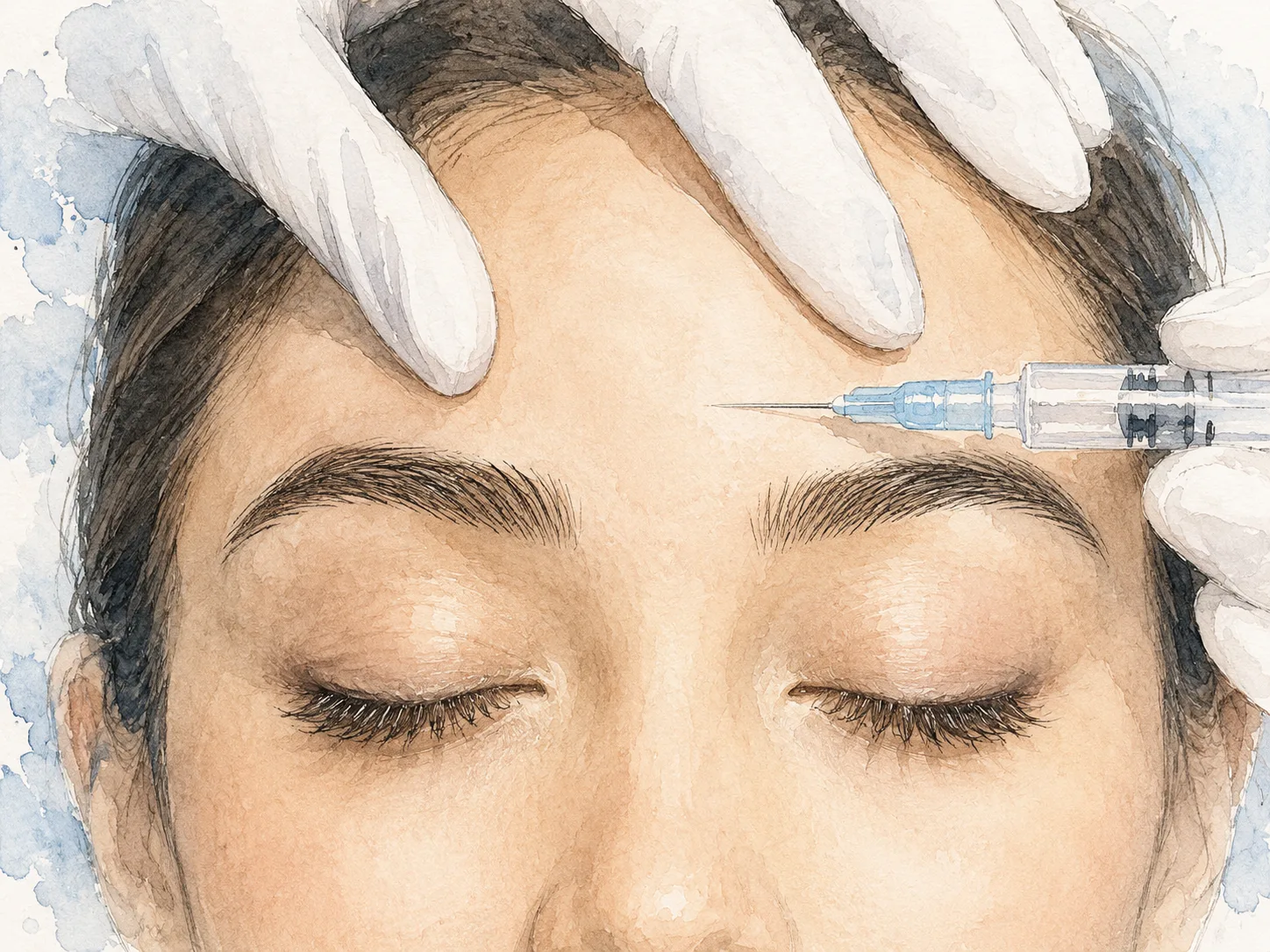
A Botox appointment is typically quick and straightforward. Botox is an office-based procedure that takes about 10-15 minutes. Your provider will identify the treatment areas, clean the skin, and use a fine needle to inject small amounts of Botox into targeted muscles. Most people describe the feeling as a slight pinch , and topical numbing cream or ice can be applied beforehand if you are concerned about discomfort.

There is essentially no downtime after treatment. In most cases, people can return to work and resume normal activities immediately after treatment. Your provider may advise you to avoid rubbing or massaging the treated areas for at least 24 hours, as this can cause the product to spread to unintended muscles. 

When administered by a trained medical professional, Botox is generally considered very safe, with side effects that are usually mild and short-lived. Some patients may experience pain, swelling, or bruising at the injection site, while others might have headaches, flu-like symptoms, or temporary weakness in nearby muscles.

It is important to let your provider know about any medications you are taking before treatment, especially blood thinners, as well as any Botox injections you may have received in the previous three to four months. It is not recommended for people who are pregnant, breastfeeding, or have certain neurological or muscle conditions.

Schedule Your Botox Consultation in Jamaica, Queens

Whether you are considering Botox for fine lines or exploring it for a medical concern, the team at Rock Medical PC in Jamaica, Queens is here to help. Our providers take the time to understand your goals and develop a treatment plan tailored to you. Contact us to schedule your consultation.

This information is for educational purposes and does not replace professional medical advice. Consult with a qualified healthcare provider about your individual needs.

What Are Botox Injections?
Botox is an FDA-approved injectable treatment that temporarily relaxes targeted muscles to smooth wrinkles and address several medical conditions. A qualified provider can help determine if Botox is appropriate for your goals.

Botox injections are a prescription treatment that uses a purified form of botulinum toxin type A to temporarily relax specific facial muscles, smoothing out wrinkles like frown lines, crow’s feet, and forehead creases. Beyond cosmetics, Botox is also FDA-approved for several medical conditions, including chronic migraines and muscle spasticity. A Jamaica, Queens Botox provider at Rock Medical PC can help you understand whether this treatment fits your needs.

How Botox Works

Botox (onabotulinumtoxinA) is a neurotoxin produced by the bacterium *Clostridium botulinum*. When injected in small, controlled doses by a trained medical professional, it blocks the release of acetylcholine, a chemical messenger that signals muscles to contract. This temporarily relaxes the targeted muscles, which is how it reduces the appearance of dynamic wrinkles, the lines that form from repeated facial expressions like squinting, frowning, and raising your eyebrows.

The effects of Botox are not immediate. Results typically begin to appear within a few days, with full effects developing in about one to two weeks after treatment. The effects usually last three to four months , after which the treated muscles gradually regain their movement and follow-up injections are needed to maintain results.

What Botox Treats

Most people associate Botox with wrinkle reduction, and it is indeed the most popular non-surgical cosmetic procedure performed in the United States. BOTOX Cosmetic is a prescription treatment that is FDA approved to temporarily improve the look of moderate to severe frown lines, crow’s feet, and forehead lines in adults. It works best on dynamic wrinkles caused by muscle movement rather than wrinkles caused by sun damage or loss of skin elasticity.

However, Botox has a long list of medical applications as well. BOTOX was first approved by the FDA in 1989 for two rare eye muscle disorders. Today, BOTOX is FDA-approved for 12 therapeutic indications, including chronic migraine, overactive bladder, and leakage of urine due to overactive bladder , among others. Some of the FDA-approved medical uses include:

  • Chronic migraines in adults (15 or more headache days per month)
  • Cervical dystonia (involuntary neck muscle contractions)
  • Upper and lower limb spasticity
  • Severe underarm sweating (axillary hyperhidrosis)
  • Overactive bladder and urinary incontinence
  • Blepharospasm (uncontrollable eyelid twitching)

Because cosmetic and medical applications involve different dosing and injection sites, it is important to work with a qualified healthcare provider who understands both the treatment goals and the anatomy involved in each approach.

What to Expect During and After Treatment

A Botox appointment is typically quick and straightforward. Botox is an office-based procedure that takes about 10-15 minutes. Your provider will identify the treatment areas, clean the skin, and use a fine needle to inject small amounts of Botox into targeted muscles. Most people describe the feeling as a slight pinch , and topical numbing cream or ice can be applied beforehand if you are concerned about discomfort.

There is essentially no downtime after treatment. In most cases, people can return to work and resume normal activities immediately after treatment. Your provider may advise you to avoid rubbing or massaging the treated areas for at least 24 hours, as this can cause the product to spread to unintended muscles. 

When administered by a trained medical professional, Botox is generally considered very safe, with side effects that are usually mild and short-lived. Some patients may experience pain, swelling, or bruising at the injection site, while others might have headaches, flu-like symptoms, or temporary weakness in nearby muscles.

It is important to let your provider know about any medications you are taking before treatment, especially blood thinners, as well as any Botox injections you may have received in the previous three to four months. It is not recommended for people who are pregnant, breastfeeding, or have certain neurological or muscle conditions.

Schedule Your Botox Consultation in Jamaica, Queens

Whether you are considering Botox for fine lines or exploring it for a medical concern, the team at Rock Medical PC in Jamaica, Queens is here to help. Our providers take the time to understand your goals and develop a treatment plan tailored to you. Contact us to schedule your consultation.

This information is for educational purposes and does not replace professional medical advice. Consult with a qualified healthcare provider about your individual needs.

Website developed in accordance with Web Content Accessibility Guidelines 2.2.
If you encounter any issues while using this site, please contact us: 718.568.9120
Rock Medical PC